Tarot as we know it today began in medieval and Renaissance Europe, with the earliest known decks appearing in 15th‑century Italy. These beautifully illustrated cards were not originally mystical tools — they were used as a game called tarocchi, played by the nobility for entertainment. Over time, the rich symbolism of the images began to inspire deeper reflection, and by the 18th and 19th centuries, Tarot evolved into a tool for insight and spiritual exploration.
Although the Tarot deck took shape in medieval Europe, the idea of using symbolic images to understand life’s patterns is far older. Many ancient cultures used symbolic systems, divination tools, and archetypal imagery long before Tarot existed. In this sense, Tarot may be seen as a more recent expression of a very ancient human impulse — to seek meaning, guidance, and connection through symbols.
What’s in a Tarot Deck?
A traditional Tarot deck contains 78 cards, divided into two main groups known as the Major Arcana and the Minor Arcana. The 22 Major Arcana cards represent big archetypal themes and life lessons — symbols like The Fool, The Sun, and The Tower that speak to universal human experiences. The remaining 56 Minor Arcana cards are arranged into four suits — Cups, Swords, Wands, and Pentacles — and reflect the more everyday aspects of life: emotions, choices, challenges, relationships, and practical matters. Together, the cards form a symbolic map of both the inner and outer journey of being human.
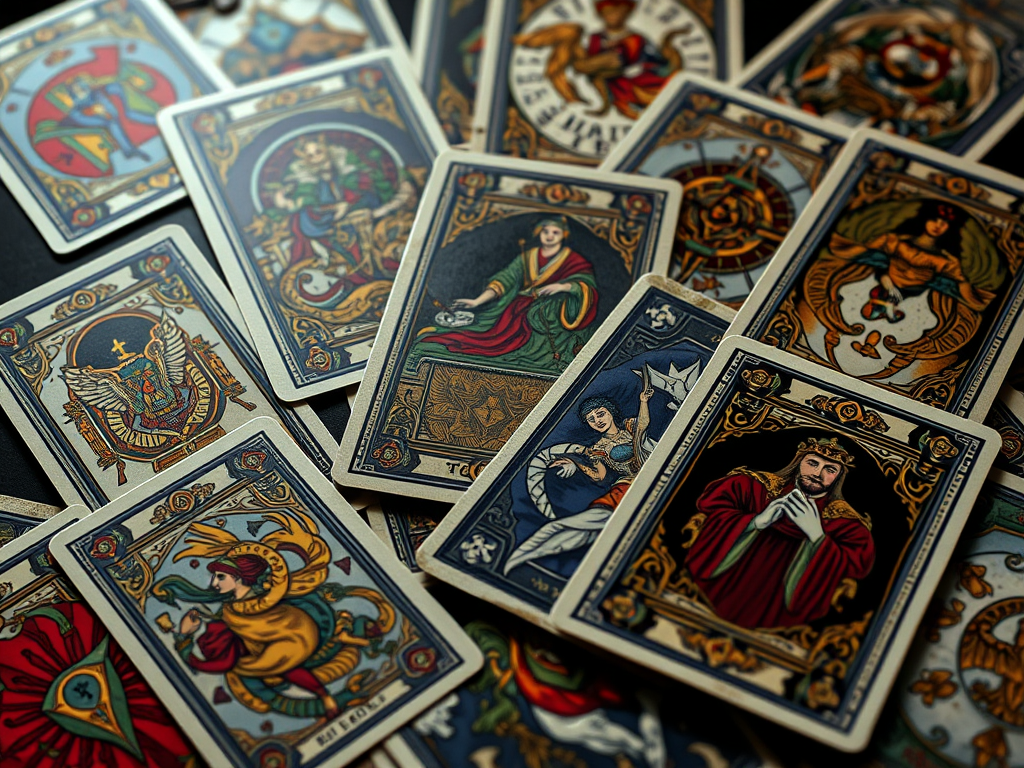
Not Fortune‑Telling — A Playful Way to Explore Possibility
Tarot is not about predicting the future. Instead, it’s a creative, reflective tool — a way of looking at life from new angles, sparking intuition, and exploring possibilities with curiosity and openness. Each card acts like a mirror, helping you see what’s already within you. It’s fun, entertaining, insightful, and often surprisingly meaningful — a gentle companion on the journey of self‑discovery.
** Please note that Tarot should be considered as entertainment**
 Caoimhín Mac Energy Therapy